

Containerized Ess -- Other Energy Storage Topics Guide
Containerized ESS: A Comprehensive Guide to Flexible Energy Storage Solutions
Executive Summary: Containerized ESS (Energy Storage Systems) offer modular, standards-driven solutions for commercial and industrial energy challenges. Selecting a system demands an informed approach to compliance, data requirements, integration, and long-term value. Use this guide to understand technical specifics, compliance frameworks, and buyer criteria tailored to your facility’s needs.
Introduction: As energy storage becomes central to operational resilience and energy cost management, commercial and industrial buyers are scrutinizing how best to specify, source, and integrate containerized ESS. The fast-evolving compliance landscape, the technical nuance of integrating with real load profiles, and the need for project deliverables that satisfy all stakeholders—from engineering to finance—create meaningful complexity. Missteps at the scoping or supplier-selection stage can lead to costly redesigns or delayed projects. This guide unpacks core applications, engineering criteria, and the compliance context needed for decision makers to address both immediate and strategic energy storage needs.
Featured Snippet: A containerized ESS is a prefabricated, modular energy storage solution—typically housed in a standard shipping container—that integrates batteries, power conversion, safety, and control systems. Favored for rapid deployment and scalability, it supports commercial and industrial facilities with grid support, peak shaving, and backup applications.
Understanding Containerized ESS: Technical Overview
Engineering Considerations and Compliance Landscape
Application Scenarios: Industry Use Cases
Key Advantages of Containerized ESS
Technical and Practical Limitations
Buyer's Selection Guide: Sizing, RFQ, and Data Needs
Maintenance and Lifecycle Considerations
Frequently Asked Questions
Conclusion
Understanding Containerized ESS: Technical Overview
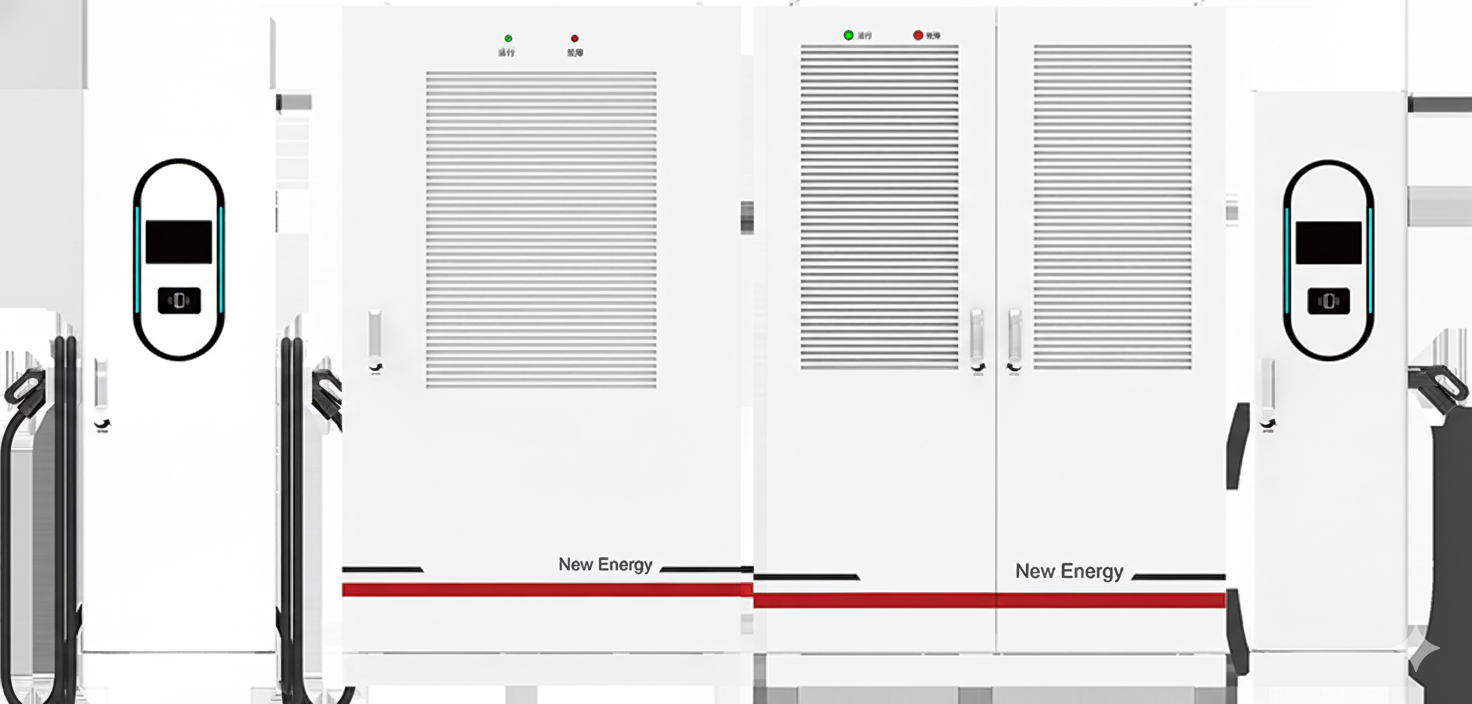
Containerized Energy Storage Systems are fully integrated battery solutions constructed within standardized enclosures—commonly 20-foot or 40-foot ISO shipping containers. Each unit comes equipped with electrochemical storage (often lithium-ion cells), a Battery Management System (BMS), Power Conversion System (PCS), HVAC for environment control, fire detection and suppression systems, and an Energy Management System (EMS) interface. These all-in-one designs enable rapid deployment as transportable "plug-and-play" blocks for a range of grid and facility needs.
Typical technical features include:
High-density battery cells (LiFePO4 or NMC chemistries)
Integrated PCS for bidirectional AC/DC conversion
Factory-installed thermal management and fire suppression
Networked BMS with remote monitoring and diagnostics
Pre-tested for field interconnection and system safety
By encapsulating complex systems in a single portable unit, containerized ESS streamlines permitting and accelerates project timelines compared to bespoke, stick-built systems or separate building-integrated solutions.
Engineering Considerations and Compliance Landscape
Engineering for containerized ESS involves careful matching of containerized design limits with electrical, safety, and grid-interconnection requirements. Structural constraints—such as floor loading, vibration, and ingress—must be considered, especially where units are deployed outdoors or in industrial zones.
Compliance and Safety Standards
Regulatory expectations are dominated by frameworks including:
UL 9540 / UL 9540A: U.S. safety and thermal runaway test standards for energy storage systems;
IEC 62619 / IEC 62933: International cell and system safety/performance standards for large-scale battery storage;
UN 38.3: Transportation safety requirement for lithium batteries;
NFPA 855: Fire protection and installation siting for BESS in the U.S.;
Local codes: Such as fire marshal requirements, building code setbacks, and utility interconnection protocols;
CE Marking: Required for European market access.
Documentation of compliance to these standards forms a critical part of the project acceptance and commissioning process and must be clearly specified and reviewed during RFQ and procurement stages.
System Integration
Containerized ESS must match the host facility’s voltage class, grid topology, and communications protocols. This includes ensuring compatibility with site SCADA or EMS, managing harmonics or power quality issues, and delivering the correct PCS output (e.g., 400V/480V, 50Hz/60Hz). Integration frequently involves coordination between the manufacturer, EPC, and local AHJ (Authority Having Jurisdiction) for system sign-off.
Application Scenarios: Industry Use Cases
Industries across North America, Europe, and Australia leverage containerized ESS for a diverse array of applications:
Manufacturing & Commercial Facilities: Peak-demand shaving, time-of-use arbitrage, or backup to critical production lines;
Renewables Integration: Store excess solar or wind output for dispatch during periods of high pricing or low generation;
Microgrids: Islands of reliability for mining, remote communities, or campuses needing resilient local power;
Grid Services: Frequency regulation, spinning reserve, and load response to grid operator signals;
Data Centers and Hospitals: Seamless transition and redundancy in case of grid interruptions.
Application scenario drives the requirement for discharge duration, cycling performance, and integration sophistication—key parameters to clarify before supplier engagement.
Key Advantages of Containerized ESS
Rapid deployment: Factory integration minimizes on-site construction, reducing install times from months to weeks.
Modular scalability: Standardized containers can be added in parallel, scaling storage with minimal site redesign.
Pre-tested safety: Systems undergo full factory testing, giving confidence in thermal management, BMS logic, and safety firmware.
Portability: Container-based units can be relocated or reconfigured as site needs evolve or service life completes.
Streamlined permitting: Enclosure standardization supports clearer regulatory and fire-code compliance reviews.
Technical and Practical Limitations
Despite their advantages, containerized ESS solutions have real trade-offs:
Footprint and access: Uniform container geometry may not fit constrained or irregular sites;
Thermal management overhead: Densely packed enclosures necessitate robust HVAC, impacting round-trip efficiency in hot or cold climates;
Standard capacity increments: Modular increments may not precisely match custom load profiles without partial utilization;
Service access: Field maintenance may require specialized training and downtime management for containerized units versus in-building systems;
Siting constraints: NFPA 855 and local codes restrict proximity to occupied spaces, utilities, and egress paths.
Careful load studies and site planning are essential to mitigate these challenges at the feasibility stage.
Buyer's Selection Guide: Sizing, RFQ, and Data Needs
Facility and procurement engineers should approach containerized ESS sourcing with a clear, standard-driven scoping document. Key steps include:
Define Load and Tariff Profile: Gather at least 12 months of interval data reflecting anticipated cycling, backup, and peak events.
Clarify Integration Scope: Specify requirements for grid interconnection, communications (Modbus, IEC 61850, etc.), and facility controls.
Document Regulatory Context: List all required compliance marks (UL, IEC, CE) and fire code constraints. Local AHJ consultation early in the process is strongly recommended.
Consult on Permitting: Provide site plans showing clearances, utility interfaces, and fire hydrant access to streamline code review.
Warranty and Service Expectations: Require vendors to delineate battery/cell warranties, performance guarantees, service/parts response time, and monitoring inclusions.
An effective RFQ process for containerized ESS includes provision of detailed electrical schematics, single-line drawings, BMS/EMS protocol guides, and operational parameters reflecting true usage scenarios—beyond just “nameplate” capacity.
Maintenance and Lifecycle Considerations
While containerized ESS platforms are built for robustness, maintenance remains essential to preserve safety and performance. Routine procedures include visual inspections, HVAC and particulate filter cleaning/replacement, firmware updates for BMS and PCS, periodic functional testing of fire suppression, and remote diagnostics via the EMS interface. Battery cell capacity degradation rates should be monitored to anticipate end-of-life and replacement timelines, with most lithium-based systems designed for 8-15 year service depending on cycle depth and thermal stress. Clarify with your supplier how these visits are scheduled, how defects or alarms are escalated, and what services are available post-warranty.
Frequently Asked Questions
How do I choose a BESS supplier for a factory?
Selecting a BESS supplier starts by matching project requirements with supplier experience in similar applications. Look for clear documentation of compliance to standards like UL 9540A, proven integration with third-party PCS/EMS and references for installations in similar industrial contexts. Insist on detailed RFQ responses covering performance guarantees, safety systems, service support, and data integration capabilities. Evaluate value not just by upfront price but by comprehensive lifecycle and support commitments.
What project data should I assemble before requesting quotes?
Gather historical demand data, load shapes, voltage and frequency parameters, site layout constraints, grid connection details, and any special operational requirements (e.g., backup time, cycling rates, or redundancy). Early clarity accelerates accurate engineering proposals and avoids delays or costly change orders later.
Are containerized ESS suitable for harsh environments?
Most containerized ESS platforms are engineered for outdoor use, fitted with weather-sealing, internal HVAC, and robust powder-coated or stainless-steel enclosures. That said, ambient extremes (heat, cold, humidity, corrosive atmosphere) can impact lifespan and maintenance requirements. Specify your environmental needs upfront to ensure correct system and guarantee alignment.
What safety and fire requirements apply to containerized ESS?
Depending on geography and application, expect to adhere to UL 9540/9540A, IEC 62619, UN 38.3 for battery modules, and NFPA 855 for site setback and suppression. Local fire marshals may require additional documentation or demonstration of fire detection and suppression system effectiveness. Maintaining a clear record of compliance and commissioning tests is crucial for permitting and insurance.
How is warranty managed for containerized systems?
Warranty structure typically differentiates between batteries (often 5-10 years with defined capacity retention thresholds), PCS and BMS (commonly 2-5 years), and provided service/support. Review in detail what triggers warranty coverage, exclusions, and how service is logistically provided—whether via remote diagnostics, onsite interventions, or module swap programs. Some suppliers offer extended or performance-linked maintenance contracts for critical use cases.
Conclusion
Deploying a containerized ESS can dramatically enhance your facility’s energy flexibility, reliability, and bottom-line performance—provided you rigorously specify technical requirements, compliance, and integration scope up front. For confident supplier engagement and a bankable project pathway, contact GS PowerTech’s engineering team with your specific site data and application goals for a tailored consultation.